The Top Benefits of Drone Roof Inspection: A Comprehensive Guide for 2025
The Top Benefits of Drone Roof Inspection: A Comprehensive Guide for 2025
4mins Reading
4mins Reading

Keeping a roof in good condition is one of the most important tasks for any property owner. However, checking a roof for damage has traditionally been dangerous, expensive, and time consuming. Fortunately, technology has changed the game.
In this guide, you will learn why drone roof inspection is quickly becoming the standard for 2025. We will cover how it improves safety, saves money, and provides better data than traditional methods.
Why Drone Technology is the Future of Roofing Inspection
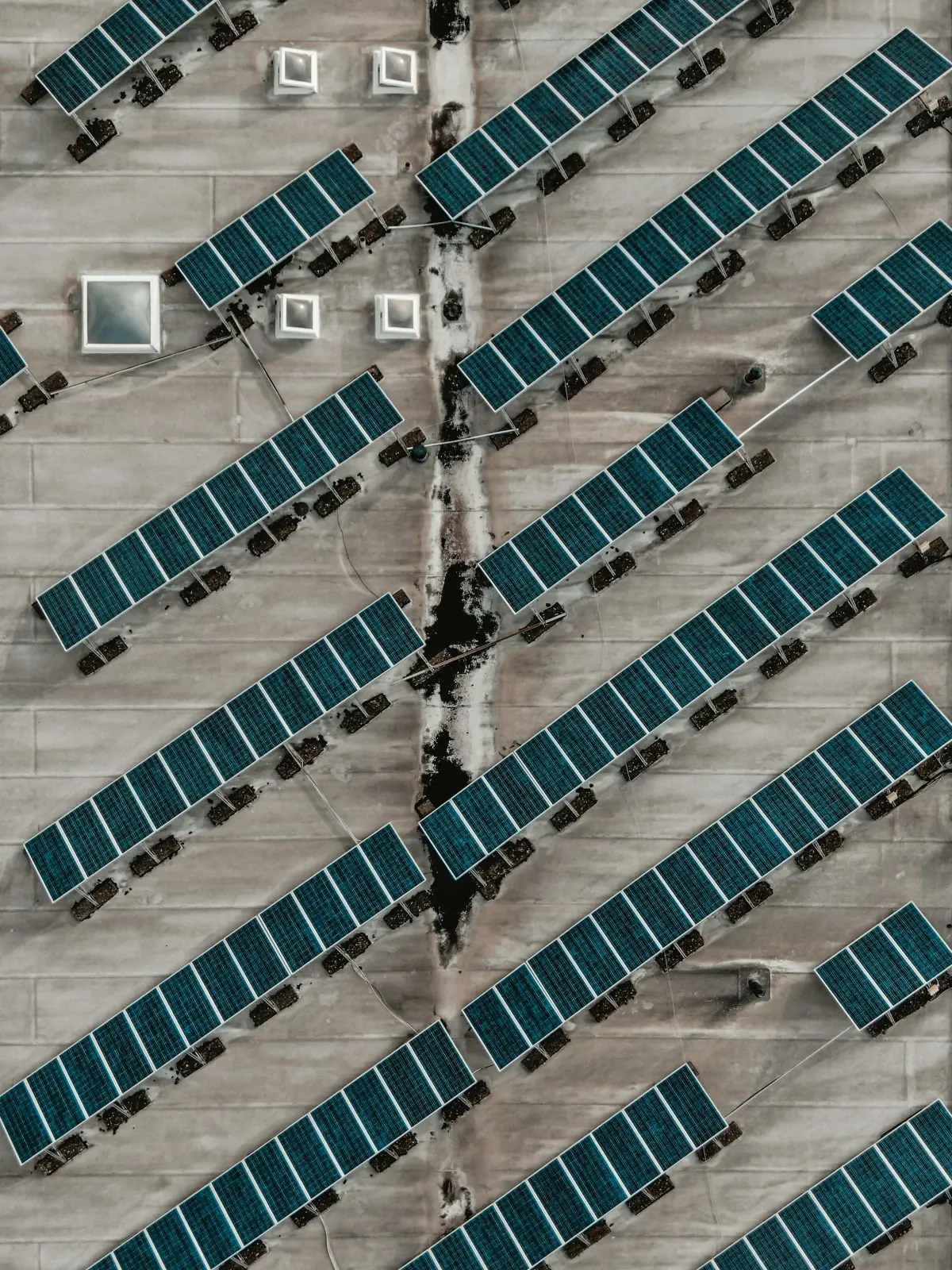
A drone roof inspection uses unmanned aerial vehicles (UAVs) fitted with high-resolution cameras to check the condition of a roof. Instead of sending a person up a ladder, a pilot controls the drone safely from the ground.
This method is replacing old habits. In the past, surveyors had to climb ladders or build scaffolding just to get a look at a problem. Now, drone it self through aerial photography allows us to see every angle without anyone leaving the ground. This shift provides faster, safer, and more accurate results for homeowners and business managers alike.
1. Enhanced Safety and Minimized Human Risk
The most significant benefit of using drones is safety. Falls from height are a leading cause of workplace injuries. By choosing a drone to survey roof, you remove the need for a person to climb onto the roof.
Eliminating falls: Personnel stay safely on the ground, removing the risk of slipping or falling.
Accessing fragile structures: Drones can inspect old or weak roofs where walking might cause more damage or hurt the surveyor.
No ladders required: There is no need to navigate steep slopes or dangerous corners manually.
2. Significant Cost-Effectiveness and Savings
Next, let’s look at the financial benefits. Many people worry about the roof inspection cost, but drones can actually lower the final bill.
No heavy equipment: You do not need to rent expensive machinery like cherry pickers or scaffolding.
Reduced labour hours: A manual inspection that might take half a day can often be done by a drone in under 30 minutes. This efficiency helps lower the overall drone roof inspection cost.
Early problem detection: High-quality images help you spot small defects early. Fixing a loose tile now is much cheaper than repairing a leak later.
3. Unmatched Accuracy and Data Depth
Furthermore, drones provide a level of detail that the human eye might miss. Modern drones use photogrammetry to create detailed 3D models and maps roof for precise measurements.
High-resolution visuals: Cameras capture 4K imagery, allowing experts to zoom in on tiny cracks or loose nails.
Thermal imaging: Some drones have sensors that detect heat loss. This helps identify water leaks trapped under the roof membrane that are invisible to the naked eye.
Precision measurements: Accurate data is essential for planning repairs or estimating material costs.
Why Drone Technology is the Future of Roofing Inspection
A drone roof inspection uses unmanned aerial vehicles (UAVs) fitted with high-resolution cameras to check the condition of a roof. Instead of sending a person up a ladder, a pilot controls the drone safely from the ground.
This method is replacing old habits. In the past, surveyors had to climb ladders or build scaffolding just to get a look at a problem. Now, drone it self through aerial photography allows us to see every angle without anyone leaving the ground. This shift provides faster, safer, and more accurate results for homeowners and business managers alike.
1. Enhanced Safety and Minimized Human Risk
The most significant benefit of using drones is safety. Falls from height are a leading cause of workplace injuries. By choosing a drone to survey roof, you remove the need for a person to climb onto the roof.
Eliminating falls: Personnel stay safely on the ground, removing the risk of slipping or falling.
Accessing fragile structures: Drones can inspect old or weak roofs where walking might cause more damage or hurt the surveyor.
No ladders required: There is no need to navigate steep slopes or dangerous corners manually.
2. Significant Cost-Effectiveness and Savings
Next, let’s look at the financial benefits. Many people worry about the roof inspection cost, but drones can actually lower the final bill.
No heavy equipment: You do not need to rent expensive machinery like cherry pickers or scaffolding.
Reduced labour hours: A manual inspection that might take half a day can often be done by a drone in under 30 minutes. This efficiency helps lower the overall drone roof inspection cost.
Early problem detection: High-quality images help you spot small defects early. Fixing a loose tile now is much cheaper than repairing a leak later.
3. Unmatched Accuracy and Data Depth
Furthermore, drones provide a level of detail that the human eye might miss. Modern drones use photogrammetry to create detailed 3D models and maps roof for precise measurements.
High-resolution visuals: Cameras capture 4K imagery, allowing experts to zoom in on tiny cracks or loose nails.
Thermal imaging: Some drones have sensors that detect heat loss. This helps identify water leaks trapped under the roof membrane that are invisible to the naked eye.
Precision measurements: Accurate data is essential for planning repairs or estimating material costs.
Versatile Applications: From Homes to Large Warehouses
Whether you own a small house or a large industrial complex, this technology scales to fit your needs.
Residential Benefits
For homeowners, a property survey using a drone is quick and easy.
Non-invasive: There is no disruption to your day, and no ladders will damage your flower beds.
Same-day reporting: Data is often sent to the cloud instantly. This means you get your condition survey report much faster.
Pre-purchase surveys: If you are buying a home, this is a great way to check the roof's condition before you sign the contract.
Commercial and Industrial Surveys
For larger buildings, the efficiency is even greater.
Large area coverage: A drone can scan a massive factory roof or shopping centre in a single flight.
Flat roof maintenance: It is easy to spot "ponding" water or drainage issues on complex flat roofs.
Facility management: The detailed survey data helps managers plan their budgets and maintenance schedules effectively.
The Drone Inspection Process: What to Expect
If you decide to book a drone roof inspection, here is how the process typically works:
Pre-flight planning: A certified pilot checks the location and airspace rules to ensure a safe flight.
Flight execution: The drone flies a set path to ensure 100% coverage of chimneys, gutters, and tiles.
Data analysis: A specialist reviews the high-resolution footage to find structural issues.
Final reporting: You receive a detailed report with photos and repair recommendations.
Versatile Applications: From Homes to Large Warehouses
Whether you own a small house or a large industrial complex, this technology scales to fit your needs.
Residential Benefits
For homeowners, a property survey using a drone is quick and easy.
Non-invasive: There is no disruption to your day, and no ladders will damage your flower beds.
Same-day reporting: Data is often sent to the cloud instantly. This means you get your condition survey report much faster.
Pre-purchase surveys: If you are buying a home, this is a great way to check the roof's condition before you sign the contract.
Commercial and Industrial Surveys
For larger buildings, the efficiency is even greater.
Large area coverage: A drone can scan a massive factory roof or shopping centre in a single flight.
Flat roof maintenance: It is easy to spot "ponding" water or drainage issues on complex flat roofs.
Facility management: The detailed survey data helps managers plan their budgets and maintenance schedules effectively.
The Drone Inspection Process: What to Expect
If you decide to book a drone roof inspection, here is how the process typically works:
Pre-flight planning: A certified pilot checks the location and airspace rules to ensure a safe flight.
Flight execution: The drone flies a set path to ensure 100% coverage of chimneys, gutters, and tiles.
Data analysis: A specialist reviews the high-resolution footage to find structural issues.
Final reporting: You receive a detailed report with photos and repair recommendations.
Conclusion: Embracing the New Standard in Roof Care
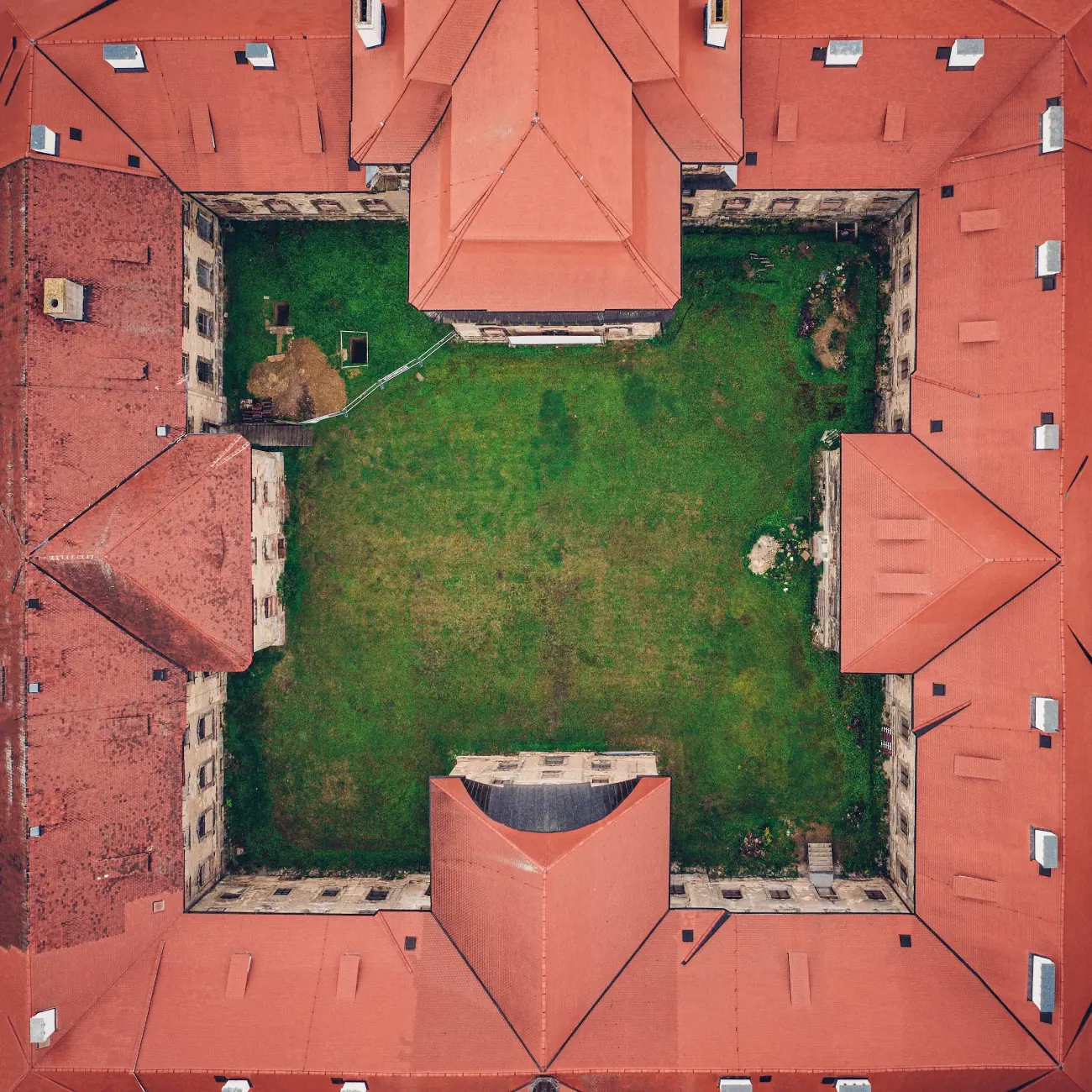
Finally, adopting drone technology is a smart move for any property owner. The benefits of drone roof inspection offer a modern solution that prioritizes safety and precision. By choosing this method, you ensure your property remains sound without the traditional headaches of manual surveying. Protect your investment with speed and ease in 2025.
FAQ: Common Questions About Drone Roof Inspection
How much does a drone roof inspection cost in the UK?
This can vary depending on the requirement of survey. However costs generally range between £300 and £700. This depends on the size of the property and the detail needed in the report.
Can a drone roof survey detect leaks?
Yes. When equipped with thermal sensors, drones can see moisture trapped inside the roof structure.
Do drones work in bad weather?
High winds (above 15mph) or heavy rain can delay an inspection.
Is the pilot required to be licensed?
Yes, in the UK, commercial operators must be accredited by the Civil Aviation Authority (CAA).
How long does a typical survey take?
Most homes take about 30 to 60 minutes. Larger commercial buildings may take longer.
FAQ: Common Questions About Drone Roof Inspection
How much does a drone roof inspection cost in the UK?
This can vary depending on the requirement of survey. However costs generally range between £300 and £700. This depends on the size of the property and the detail needed in the report.
Can a drone roof survey detect leaks?
Yes. When equipped with thermal sensors, drones can see moisture trapped inside the roof structure.
Do drones work in bad weather?
High winds (above 15mph) or heavy rain can delay an inspection.
Is the pilot required to be licensed?
Yes, in the UK, commercial operators must be accredited by the Civil Aviation Authority (CAA).
How long does a typical survey take?
Most homes take about 30 to 60 minutes. Larger commercial buildings may take longer.
FAQ: Common Questions About Drone Roof Inspection
How much does a drone roof inspection cost in the UK?
This can vary depending on the requirement of survey. However costs generally range between £300 and £700. This depends on the size of the property and the detail needed in the report.
Can a drone roof survey detect leaks?
Yes. When equipped with thermal sensors, drones can see moisture trapped inside the roof structure.
Do drones work in bad weather?
High winds (above 15mph) or heavy rain can delay an inspection.
Is the pilot required to be licensed?
Yes, in the UK, commercial operators must be accredited by the Civil Aviation Authority (CAA).
How long does a typical survey take?
Most homes take about 30 to 60 minutes. Larger commercial buildings may take longer.
How Can We Help You?
We offer an efficient, cost-effective, and safe method for inspecting and assessing the condition of roofs. We provide high-resolution imagery and detailed reports that help property owners, managers, and contractors make informed decisions about maintenance and repairs.
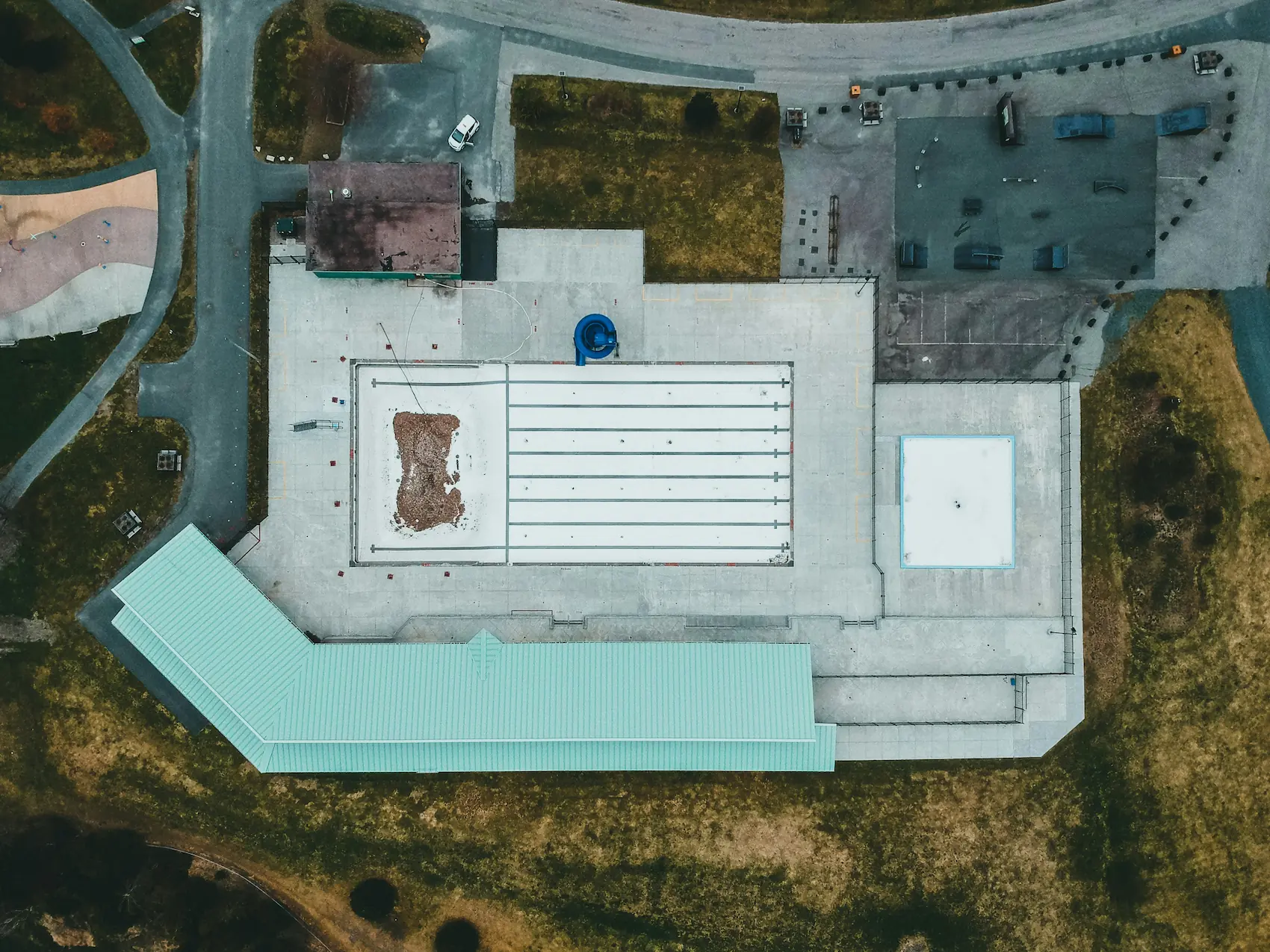
Aerial Survey
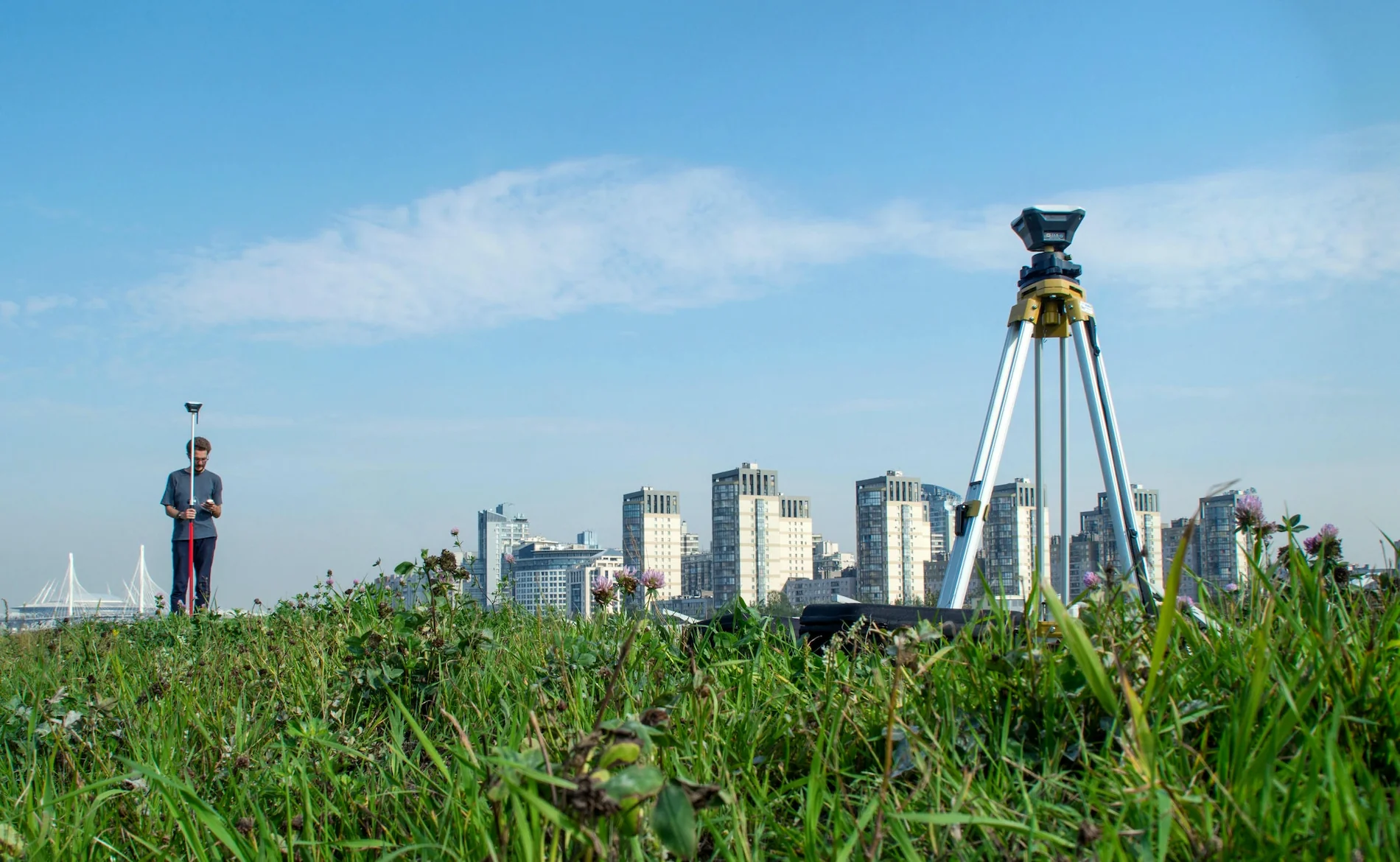
Land Survey


How Can We Help You?
We offer an efficient, cost-effective, and safe method for inspecting and assessing the condition of roofs. We provide high-resolution imagery and detailed reports that help property owners, managers, and contractors make informed decisions about maintenance and repairs.
Aerial Survey
Land Survey
How Can We Help You?
We offer an efficient, cost-effective, and safe method for inspecting and assessing the condition of roofs. We provide high-resolution imagery and detailed reports that help property owners, managers, and contractors make informed decisions about maintenance and repairs.
Aerial Survey
Land Survey


© Frame Bound Surveys 2025
© Frame Bound Surveys 2025
© Frame Bound Surveys 2025
