What is a Topographical Survey? A Complete Guide
What is a Topographical Survey? A Complete Guide
5mins
5mins
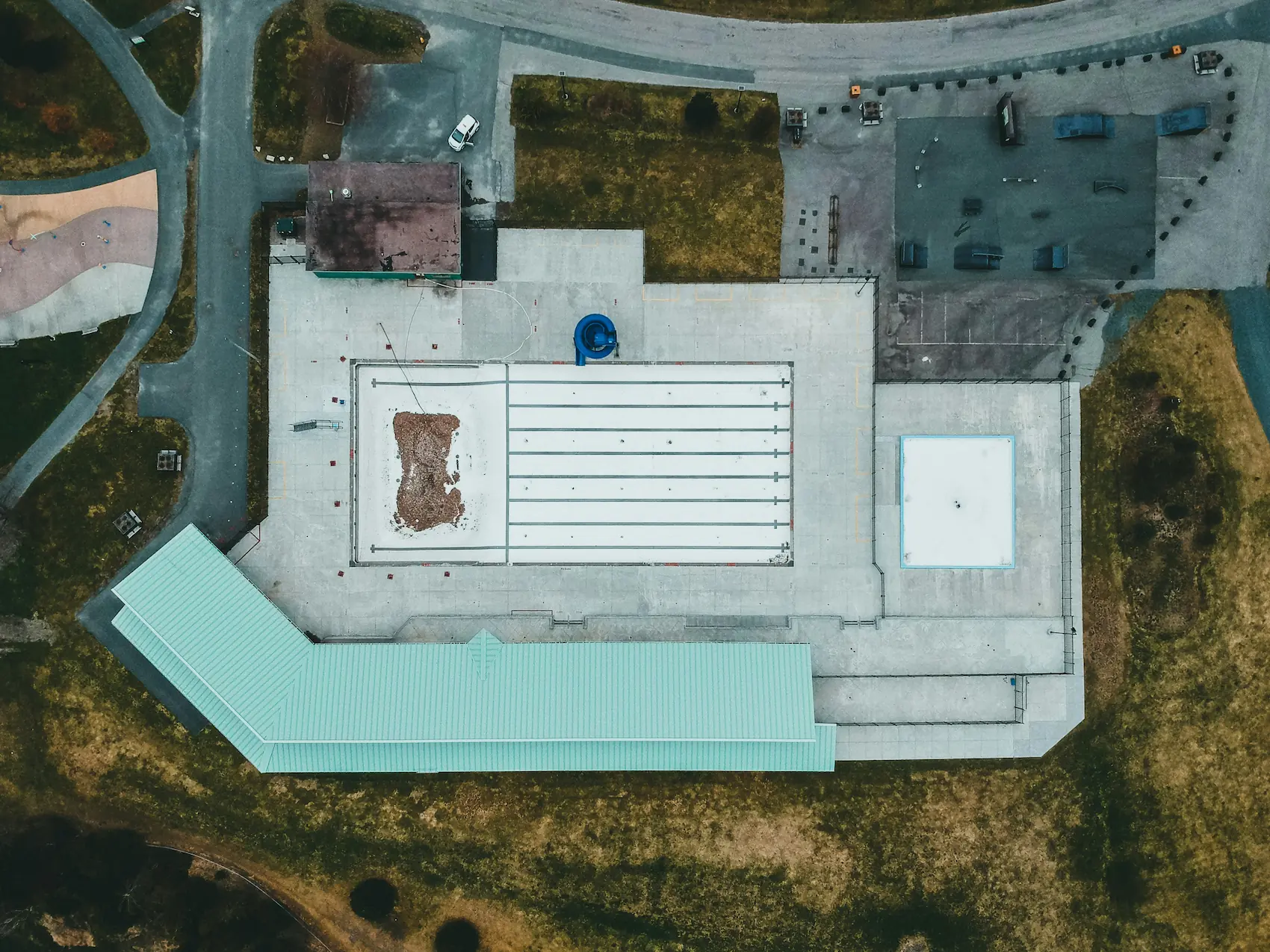
Imagine starting your dream construction project, only to realize halfway through that the ground isn't level, or worse, that you’re building on unstable terrain. Starting a development project without understanding the land is like trying to build a house on quicksand—it’s a recipe for disaster.
Before any architect draws a line or any foundation is dug, you need a clear map of the land. This is exactly what is a topographical survey.
Understanding the Basics: What is a Topographical Survey
Often referred to as a topo survey or topographical land survey, this detailed exercise measures and maps the precise position and height of natural and man-made features on a specific site. Unlike a standard boundary survey that just defines where your land ends and your neighbor’s begins, a topographical survey provides a comprehensive "snapshot" of the real world.
This data is then converted into a scaled drawing or a sophisticated 3D model, giving architects and engineers the accurate information they need to design safely and efficiently. Whether you see the term "topographic" or "topographical," they are interchangeable, and both refer to this critical first step in land development.
What Does a Topographic Survey Show?
A high-quality survey doesn't just show the outline of the property; it fills in the blank space with vital details. It maps both the features nature put there and the ones humans built.
Mapping Natural Topographic Features
Understanding the natural lay of the land is crucial for drainage and landscaping. A surveyor will map:
Slopes and gradients: Determining how steep the land is.
Watercourses: The position of ponds, lakes, brooks, or drainage ditches.
Vegetation: Significant isolated trees (often with trunk diameter and canopy spread), bushes, and areas of dense woodland.
Mapping Artificial (Man-Made) Features
If your site has existing structures or is near urban infrastructure, the survey will detail:
Buildings: Footprints of existing houses, sheds, or garages.
Boundaries: The precise location of walls, fences, and hedges.
Access: Roads, driveways, footpaths, and tracks.
Street Furniture: Bins, benches, lamp posts, and signage.
Surface Utilities: Visible evidence of services, such as manhole covers, inspection chambers, and power poles.
Elevation and Ground Levels
Perhaps the most important data in a topographic survey is the vertical data. Surveyors record "spot levels" across the site to show height differences. They also map contours (lines connecting points of equal height) and record critical heights, such as the ridge and eaves height of existing buildings. This data ensures your new design connects seamlessly with the existing environment.
See below example of topographical drawing
Understanding the Basics: What is a Topographical Survey
Often referred to as a topo survey or topographical land survey, this detailed exercise measures and maps the precise position and height of natural and man-made features on a specific site. Unlike a standard boundary survey that just defines where your land ends and your neighbor’s begins, a topographical survey provides a comprehensive "snapshot" of the real world.
This data is then converted into a scaled drawing or a sophisticated 3D model, giving architects and engineers the accurate information they need to design safely and efficiently. Whether you see the term "topographic" or "topographical," they are interchangeable, and both refer to this critical first step in land development.
What Does a Topographic Survey Show?
A high-quality survey doesn't just show the outline of the property; it fills in the blank space with vital details. It maps both the features nature put there and the ones humans built.
Mapping Natural Topographic Features
Understanding the natural lay of the land is crucial for drainage and landscaping. A surveyor will map:
Slopes and gradients: Determining how steep the land is.
Watercourses: The position of ponds, lakes, brooks, or drainage ditches.
Vegetation: Significant isolated trees (often with trunk diameter and canopy spread), bushes, and areas of dense woodland.
Mapping Artificial (Man-Made) Features
If your site has existing structures or is near urban infrastructure, the survey will detail:
Buildings: Footprints of existing houses, sheds, or garages.
Boundaries: The precise location of walls, fences, and hedges.
Access: Roads, driveways, footpaths, and tracks.
Street Furniture: Bins, benches, lamp posts, and signage.
Surface Utilities: Visible evidence of services, such as manhole covers, inspection chambers, and power poles.
Elevation and Ground Levels
Perhaps the most important data in a topographic survey is the vertical data. Surveyors record "spot levels" across the site to show height differences. They also map contours (lines connecting points of equal height) and record critical heights, such as the ridge and eaves height of existing buildings. This data ensures your new design connects seamlessly with the existing environment.
See below example of topographical drawing
Why You Need Topographic Survey Services
You might be tempted to skip this step to save money, but a topographical land survey is an investment that pays for itself by preventing costly mistakes.
Supporting Planning Applications and Design
Local planning authorities often require a topographical survey to validate planning applications. Architects and civil engineers rely on this accurate data to:
Design site layouts that fit the terrain.
Plan effective drainage runs to prevent flooding.
Design safe road access and driveways that meet gradient regulations.
Risk Mitigation and Cost Efficiency
Construction projects are expensive. The cost of a topographical survey is a fraction of the cost of fixing a mistake later. By identifying issues early like a steep slope that requires a retaining wall or a tree that cannot be removed you can adjust your design before construction begins. This avoids expensive redesigns and delays when machinery is already on site.
Legal and Boundary Certainty
Disputes over land boundaries are stressful and expensive. A professional survey provides clear evidence of existing boundary treatments (like fences or walls) relative to the legal boundary. This data can be crucial for Land Registry submissions and can help prevent or resolve disputes with neighbours.
The Topographical Survey Process Step-by-Step
How do surveyors actually create these maps? It is a blend of careful planning and high-tech equipment.
Defining the Purpose: The surveyor discusses the project with you to understand what specific data is needed.
Information Gathering: They determine the site boundaries, the level of detail required, and the accuracy needed for the job.
On-Site Data Capture: The team visits the property to measure and record the land's features.
Data Processing & QA: Back in the office, the raw data is processed into drawings. A senior surveyor checks the work for accuracy before delivery.
Specialized Topographic Survey Equipment
Modern surveyors use advanced technology to ensure millimeter-level accuracy:
Robotic Total Stations: These instruments use lasers to measure angles and distances to a prism held by the surveyor.
GPS / GNSS RTK Rovers: Satellite receivers that provide precise positioning coordinates.
Laser Scanners: Devices that capture millions of points per second to create a 3D "point cloud" of complex structures.
Drone For Topographic Survey: For large, inaccessible, or hazardous sites, Unmanned Aerial Vehicles (UAVs) are used. A drone can map vast areas quickly and safely, providing high-resolution aerial imagery alongside elevation data.
Why You Need Topographic Survey Services
You might be tempted to skip this step to save money, but a topographical land survey is an investment that pays for itself by preventing costly mistakes.
Supporting Planning Applications and Design
Local planning authorities often require a topographical survey to validate planning applications. Architects and civil engineers rely on this accurate data to:
Design site layouts that fit the terrain.
Plan effective drainage runs to prevent flooding.
Design safe road access and driveways that meet gradient regulations.
Risk Mitigation and Cost Efficiency
Construction projects are expensive. The cost of a topographical survey is a fraction of the cost of fixing a mistake later. By identifying issues early like a steep slope that requires a retaining wall or a tree that cannot be removed you can adjust your design before construction begins. This avoids expensive redesigns and delays when machinery is already on site.
Legal and Boundary Certainty
Disputes over land boundaries are stressful and expensive. A professional survey provides clear evidence of existing boundary treatments (like fences or walls) relative to the legal boundary. This data can be crucial for Land Registry submissions and can help prevent or resolve disputes with neighbours.
The Topographical Survey Process Step-by-Step
How do surveyors actually create these maps? It is a blend of careful planning and high-tech equipment.
Defining the Purpose: The surveyor discusses the project with you to understand what specific data is needed.
Information Gathering: They determine the site boundaries, the level of detail required, and the accuracy needed for the job.
On-Site Data Capture: The team visits the property to measure and record the land's features.
Data Processing & QA: Back in the office, the raw data is processed into drawings. A senior surveyor checks the work for accuracy before delivery.
Specialized Topographic Survey Equipment
Modern surveyors use advanced technology to ensure millimeter-level accuracy:
Robotic Total Stations: These instruments use lasers to measure angles and distances to a prism held by the surveyor.
GPS / GNSS RTK Rovers: Satellite receivers that provide precise positioning coordinates.
Laser Scanners: Devices that capture millions of points per second to create a 3D "point cloud" of complex structures.
Drone For Topographic Survey: For large, inaccessible, or hazardous sites, Unmanned Aerial Vehicles (UAVs) are used. A drone can map vast areas quickly and safely, providing high-resolution aerial imagery alongside elevation data.

Interpreting Topographical Survey Results
Once the survey is done, you will receive a digital file or a printed map. Reading it might seem daunting, but the basics are straightforward.
How to Read a Topographic Survey Map
Contour Lines: These are the wavy lines across the map. Each line represents a specific height above sea level. If lines are close together, the ground is steep. If they are far apart, the land is flat.
Symbols: Surveyors use standard symbols to represent features like trees, manholes, or light poles. There should always be a legend (key) on the drawing to explain what each symbol means.
Standard Deliverable Formats
Your architect will usually need the survey in a digital format they can edit. Common outputs include:
2D and 3D AutoCAD (.dwg): The industry standard for design work.
PDF: For easy viewing and printing.
Revit Models: For projects using Building Information Modelling (BIM), where the survey is delivered as a smart 3D object.
How Much Does a Topographic Survey Cost?
The cost of topographical survey is not a fixed number; it varies based on the size of the site, the complexity of the terrain (e.g., heavy vegetation vs. open field), and the level of detail required.
Small Sites: For a standard house extension or garden plot in the UK, costs might start around £500-£800.
Large Projects: For large development sites or complex infrastructure, the cost of topographic survey will be significantly higher.
It is always best to get a fixed-fee quote so you know exactly what to expect.
How Long Does the Survey Take to Complete?
Timeframes depend on the site conditions. A small garden survey might be done in a few hours, while a large estate could take weeks.
Conclusion: The Foundation of Your Project
Understanding what is a topographical survey is the first step toward a successful build. It is more than just a map; it is the foundation upon which your entire project rests. By investing in a professional survey, you protect your budget from unforeseen risks, ensure your planning application runs smoothly, and give your design team the tools they need to succeed.
Don't leave your project to chance. If you are planning a development, start on solid ground.
Ready to get your project moving? Contact our professional survey team today for a tailored quote and expert advice.
Interpreting Topographical Survey Results
Once the survey is done, you will receive a digital file or a printed map. Reading it might seem daunting, but the basics are straightforward.
How to Read a Topographic Survey Map
Contour Lines: These are the wavy lines across the map. Each line represents a specific height above sea level. If lines are close together, the ground is steep. If they are far apart, the land is flat.
Symbols: Surveyors use standard symbols to represent features like trees, manholes, or light poles. There should always be a legend (key) on the drawing to explain what each symbol means.
Standard Deliverable Formats
Your architect will usually need the survey in a digital format they can edit. Common outputs include:
2D and 3D AutoCAD (.dwg): The industry standard for design work.
PDF: For easy viewing and printing.
Revit Models: For projects using Building Information Modelling (BIM), where the survey is delivered as a smart 3D object.
How Much Does a Topographic Survey Cost?
The cost of topographical survey is not a fixed number; it varies based on the size of the site, the complexity of the terrain (e.g., heavy vegetation vs. open field), and the level of detail required.
Small Sites: For a standard house extension or garden plot in the UK, costs might start around £500-£800.
Large Projects: For large development sites or complex infrastructure, the cost of topographic survey will be significantly higher.
It is always best to get a fixed-fee quote so you know exactly what to expect.
How Long Does the Survey Take to Complete?
Timeframes depend on the site conditions. A small garden survey might be done in a few hours, while a large estate could take weeks.
Conclusion: The Foundation of Your Project
Understanding what is a topographical survey is the first step toward a successful build. It is more than just a map; it is the foundation upon which your entire project rests. By investing in a professional survey, you protect your budget from unforeseen risks, ensure your planning application runs smoothly, and give your design team the tools they need to succeed.
Don't leave your project to chance. If you are planning a development, start on solid ground.
Ready to get your project moving? Contact our professional survey team today for a tailored quote and expert advice.
FAQ: Frequently Asked Questions
What is the difference between a land survey and a topographic survey?
A standard land survey (boundary survey) typically focuses on defining property lines and legal boundaries. A topographic survey goes further by mapping the physical features of the land, such as elevation changes, trees, buildings, and improvements, in 3D detail.
When is a topographic survey required?
You should commission a survey at the very start of your project. It is essential for feasibility studies, planning permission applications, and the detailed design phase. Without it, your architect is essentially designing blind.
Does a topo survey show underground utilities?
Generally, no. A standard topo survey records visible surface features like manhole covers and valve boxes. To map the pipes and cables buried underneath the ground, you would need to commission a separate Utility Detection Survey (often called a GPR survey).
Who carries out these surveys?
These surveys are conducted by professional land surveyors. They undergo specialized training and use calibrated equipment to ensure the data is legally and technically accurate.
FAQ: Frequently Asked Questions
What is the difference between a land survey and a topographic survey?
A standard land survey (boundary survey) typically focuses on defining property lines and legal boundaries. A topographic survey goes further by mapping the physical features of the land, such as elevation changes, trees, buildings, and improvements, in 3D detail.
When is a topographic survey required?
You should commission a survey at the very start of your project. It is essential for feasibility studies, planning permission applications, and the detailed design phase. Without it, your architect is essentially designing blind.
Does a topo survey show underground utilities?
Generally, no. A standard topo survey records visible surface features like manhole covers and valve boxes. To map the pipes and cables buried underneath the ground, you would need to commission a separate Utility Detection Survey (often called a GPR survey).
Who carries out these surveys?
These surveys are conducted by professional land surveyors. They undergo specialized training and use calibrated equipment to ensure the data is legally and technically accurate.
FAQ: Frequently Asked Questions
What is the difference between a land survey and a topographic survey?
A standard land survey (boundary survey) typically focuses on defining property lines and legal boundaries. A topographic survey goes further by mapping the physical features of the land, such as elevation changes, trees, buildings, and improvements, in 3D detail.
When is a topographic survey required?
You should commission a survey at the very start of your project. It is essential for feasibility studies, planning permission applications, and the detailed design phase. Without it, your architect is essentially designing blind.
Does a topo survey show underground utilities?
Generally, no. A standard topo survey records visible surface features like manhole covers and valve boxes. To map the pipes and cables buried underneath the ground, you would need to commission a separate Utility Detection Survey (often called a GPR survey).
Who carries out these surveys?
These surveys are conducted by professional land surveyors. They undergo specialized training and use calibrated equipment to ensure the data is legally and technically accurate.

How Can We Help You?
We offer an efficient, cost-effective, and safe method for inspecting and assessing the condition of roofs. We provide high-resolution imagery and detailed reports that help property owners, managers, and contractors make informed decisions about maintenance and repairs.
Aerial Survey
Land Survey


How Can We Help You?
We offer an efficient, cost-effective, and safe method for inspecting and assessing the condition of roofs. We provide high-resolution imagery and detailed reports that help property owners, managers, and contractors make informed decisions about maintenance and repairs.
Aerial Survey
Land Survey
How Can We Help You?
We offer an efficient, cost-effective, and safe method for inspecting and assessing the condition of roofs. We provide high-resolution imagery and detailed reports that help property owners, managers, and contractors make informed decisions about maintenance and repairs.
Aerial Survey
Land Survey


© Frame Bound Surveys 2025
© Frame Bound Surveys 2025
© Frame Bound Surveys 2025
